Pelourinho
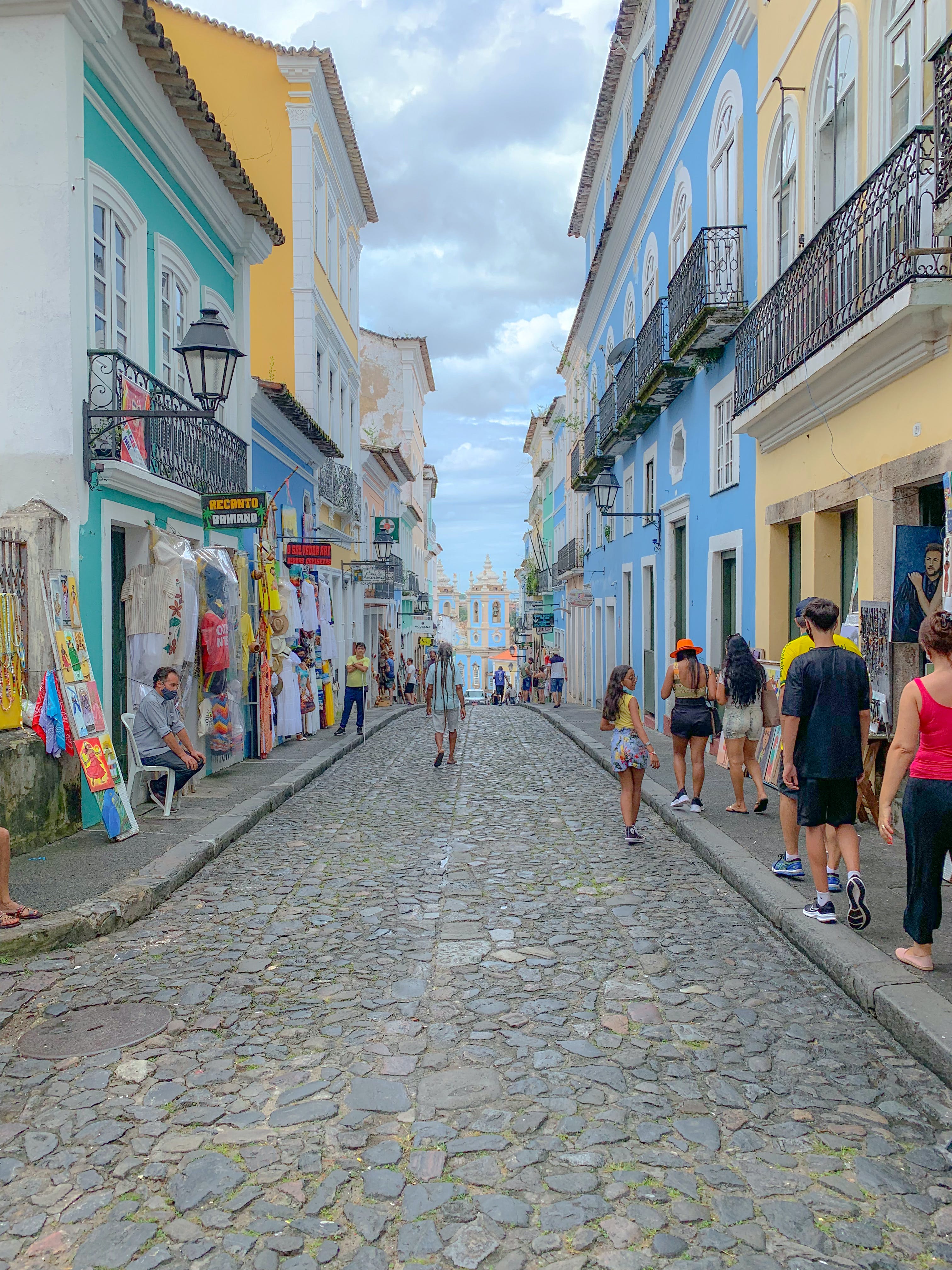
Pelourinho is Salvador’s historic heart, filled with pastel colonial facades, cobbled lanes, live percussion, and galleries that make the district feel theatrical at every turn.
Learn more
Salvador Bahia is a vibrant coastal city in northeastern Brazil known for its rich Afro-Brazilian culture, lively music scene, and beautiful beaches.
Salvador sits on the Atlantic edge of Bahia in northeastern Brazil, overlooking the Bay of All Saints and unfolding across both the upper and lower city. Its steep topography, waterfront avenues, and colonial core shape how visitors move between beaches, plazas, churches, and lookout points.
This location makes Salvador a natural gateway into Bahia, connecting the historic center with the wider Recôncavo, island crossings, and the long coastal strip that gives the city its distinct maritime rhythm.
Salvador, Bahia, is a city steeped in rich cultural traditions that reflect its Afro-Brazilian heritage and historical significance. The heartbeat of Bahian culture is the vibrant rhythm of music and dance, with the mesmerizing sounds of samba, axe, and capoeira echoing through the streets.
The city's streets come alive with colorful parades, especially during Carnival, when Salvador hosts one of the largest and most exuberant celebrations in Brazil, featuring elaborate costumes, samba bands, and electrifying energy.
Use of Dende Oil: Dende oil, derived from palm fruit, is a signature ingredient in Bahian cuisine. It imparts a distinct reddish-orange color and a rich, nutty flavor to many dishes, such as moqueca and vatapa.
Seafood Extravaganza: Due to its coastal location, Salvador Bahia is renowned for its abundance of fresh seafood. From Bahian fish stew to grilled lobster, visitors can savor shrimp, fish, crab, and more.
Street Food Culture: The city is known for its vibrant street food culture, with bustling markets and stalls offering treats like acaraje, tapioca crepes, and cocada.
Influences from Africa and Portugal: Salvador Bahia cuisine is a fusion of African and Portuguese culinary influences, visible in dishes like acaraje and moqueca cooked with coconut milk and dende oil.
Spices and Heat: Bahian cuisine is renowned for bold and spicy flavors. Peppers like malagueta and pimenta-de-cheiro are used liberally to add heat and aroma.
To learn morePelourinho is Salvador’s historic heart, filled with pastel colonial facades, cobbled lanes, live percussion, and galleries that make the district feel theatrical at every turn.
Learn moreThe Elevador Lacerda links the upper and lower city and opens to one of Salvador’s most recognizable bay views, especially striking at golden hour.
Learn moreThe famous church of Senhor do Bonfim is a pilgrimage landmark known for its bright facade, wish ribbons, and deep ties to Bahia’s spiritual traditions.
Learn moreSalvador, Bahia is a culinary capital where African heritage, coastal ingredients, and street-side cooking meet in bold color and spice. Coconut milk, dendê oil, fresh seafood, and cassava appear throughout the city’s food culture, from celebratory meals to quick market bites.
The local table moves easily between refined restaurant interpretations and beloved classics sold outdoors, making the city ideal for travelers who want to taste Bahia through both tradition and daily ritual.
Bahian cooking blends Afro-Brazilian and Portuguese influences into dishes like moqueca, vatapá, and seafood stews scented with coconut milk and dendê oil.
Learn moreFrom fresh coconut water by the shore to caipirinhas and fruit juices sold across the city, Salvador’s drinks are built around heat, rhythm, and tropical produce.
Learn moreAcarajé, tapioca crepes, grilled cheese, and market snacks turn Salvador’s streets into one of the city’s most immediate and memorable food experiences.
Learn moreSalvador’s coastline moves from calm city coves to broad Atlantic stretches, with beach life threaded directly into the pace of the city. Historic landmarks, lighthouse views, and easy access to the water make the coast a defining part of the Salvador experience.
 Barra, Salvador - BA
 A beloved urban beach with calm turquoise water, a social sunset atmosphere, and one of the easiest places to swim right in the city.
Learn more Farol da Barra, Salvador - BA
 Set beside Salvador’s iconic lighthouse, this stretch of coast mixes history, open sea views, and a lively promenade popular with both locals and visitors.
Learn more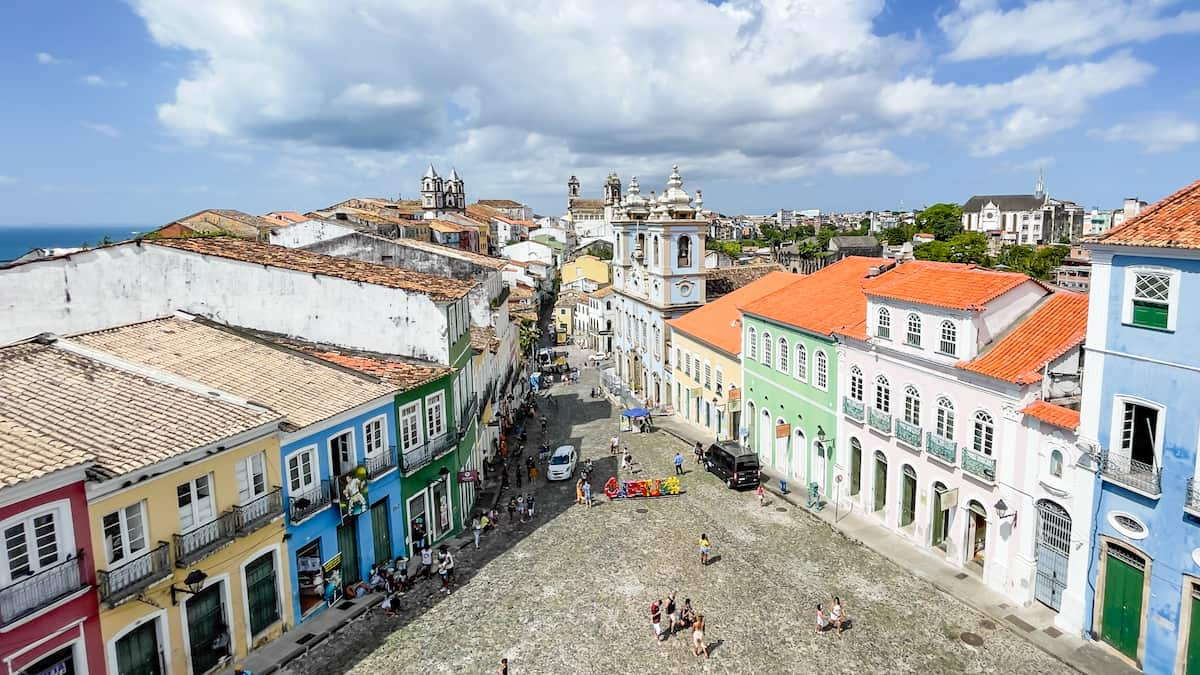 Flamengo, Salvador - BA
 Further from the center, Flamengo offers longer sandy stretches, stronger surf, and a looser beach-club rhythm that feels more expansive and relaxed.
Learn moreEntry requirements for Brazil depend on your passport and can change, so confirm the latest rules with the Brazilian consulate or your airline before departure.
Keep your passport valid for the full trip and carry your accommodation details and onward travel information in case they are requested on arrival.
If you need a visa or eVisa, apply well ahead of your travel dates and make sure the details match your passport exactly.
For domestic travel onward to Salvador, digital copies are useful, but your original passport should remain accessible.
Brazilian customs rules vary by what you are carrying, so review declaration guidance before arrival if you are traveling with electronics, high-value goods, or professional equipment.
Keep receipts for items you purchased abroad and be ready to declare anything that exceeds personal allowance thresholds.
Pack medications in their original containers and carry supporting prescriptions when appropriate, especially for controlled substances.
Agricultural products and food items can face restrictions, so check current guidance before bringing them into Brazil.
Brazil uses the Brazilian real, and in Salvador cards are widely accepted in hotels, restaurants, and most urban businesses.
It is still worth carrying a small amount of cash for beach kiosks, markets, transit, and smaller neighborhood spots.
ATMs and exchange services are easiest to find in shopping areas, airports, and major commercial districts.