Regional Culture Across Brazil
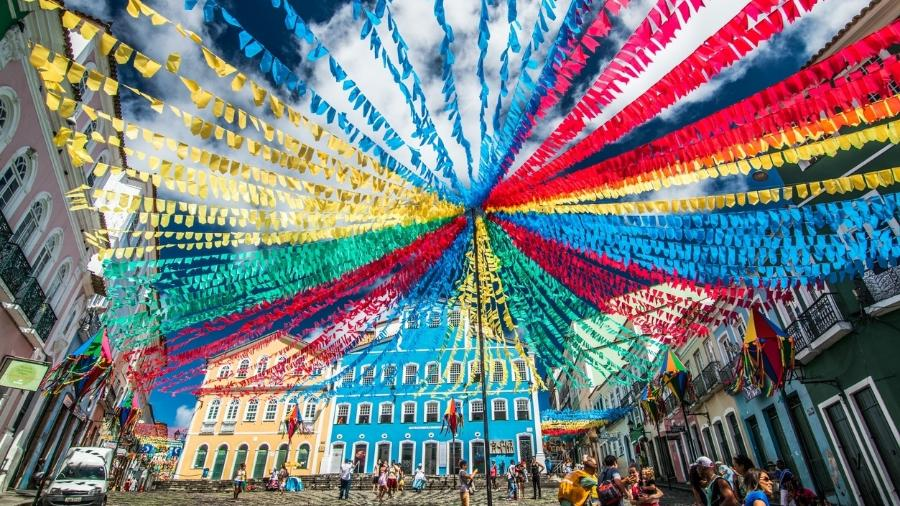
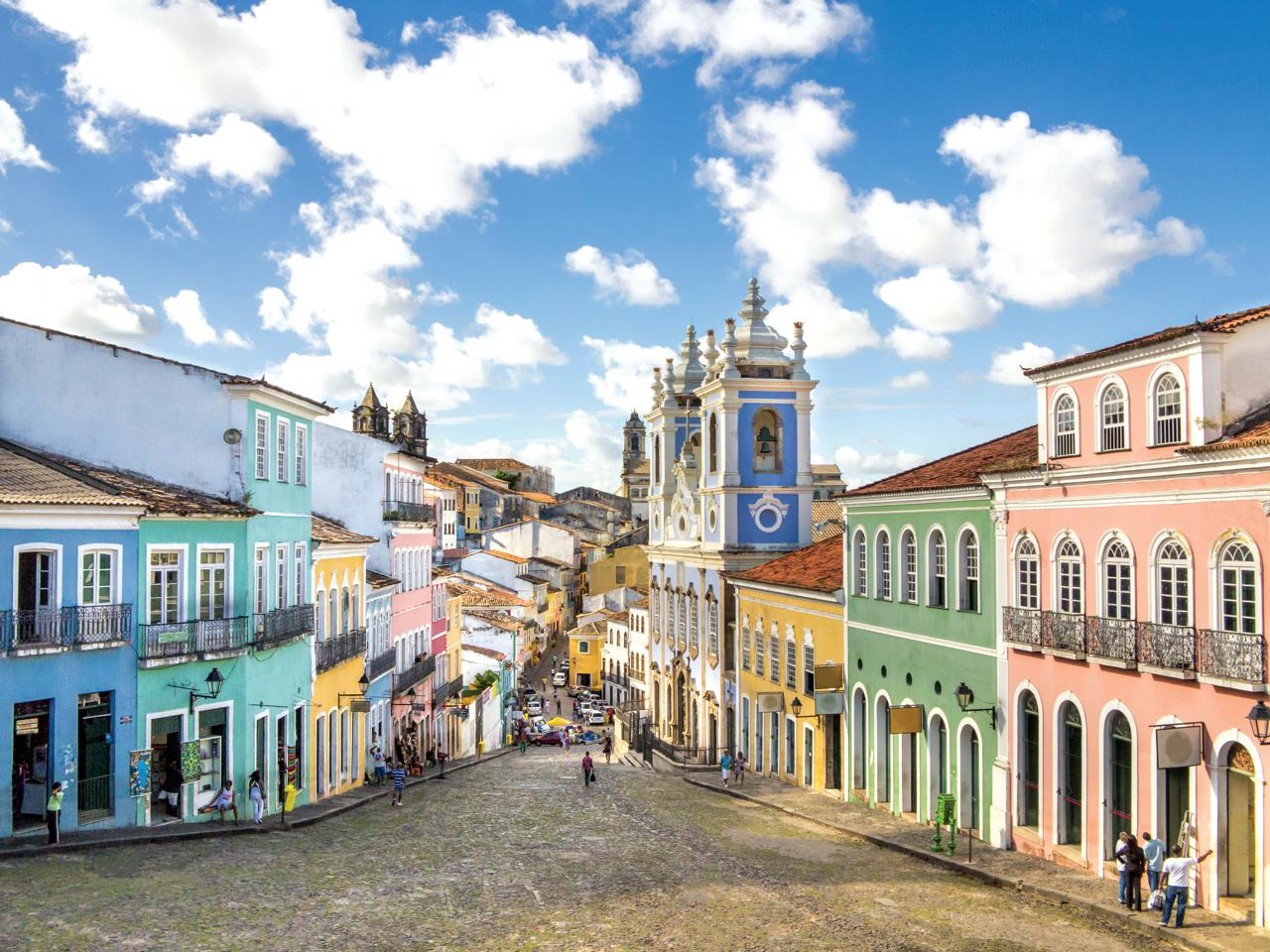
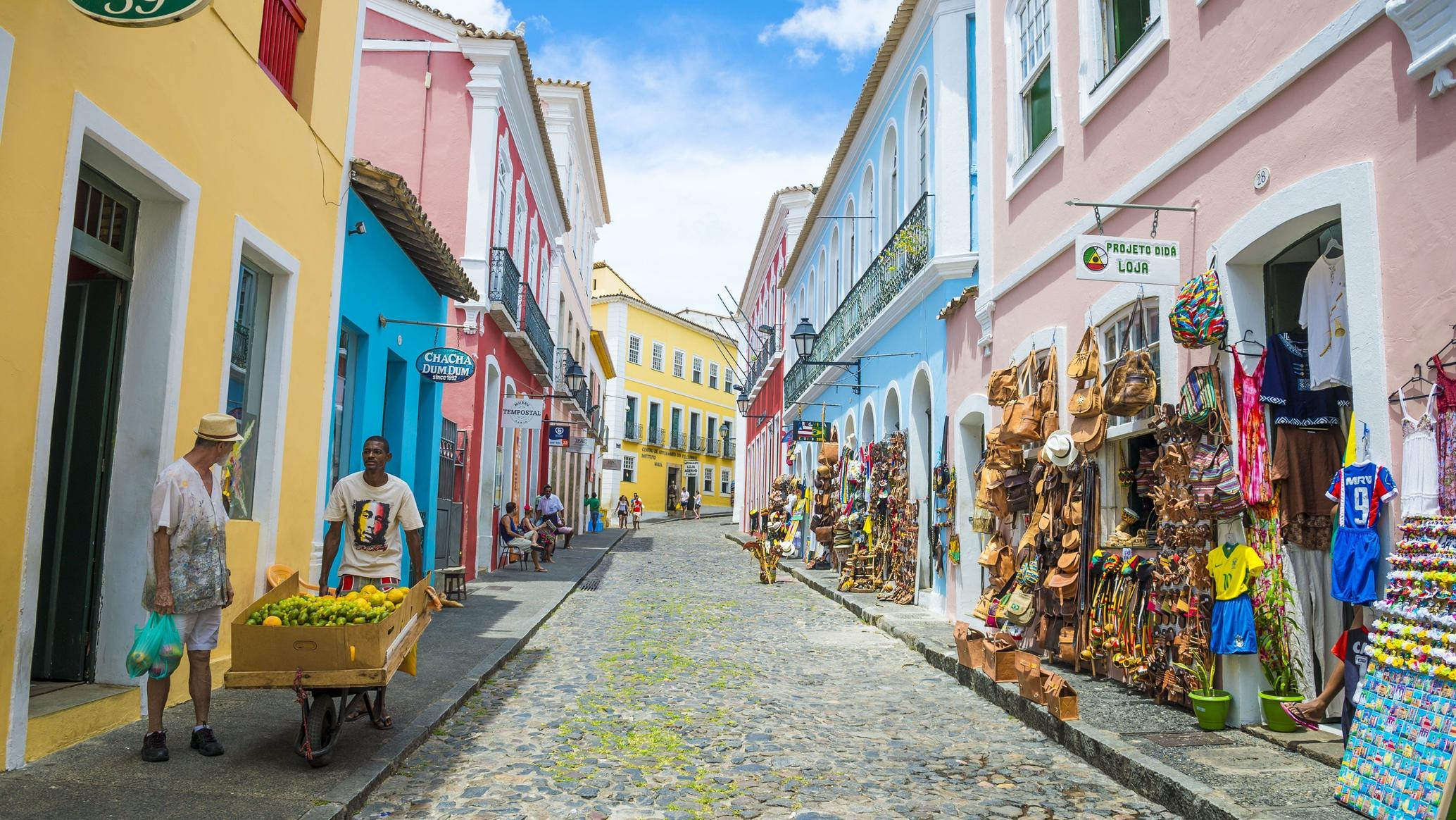
Brazilian culture changes noticeably from region to region. Salvador is shaped by strong Afro-Brazilian traditions, Recife and Olinda are known for Carnival rhythms, Minas Gerais for colonial heritage, and the South for a distinct mix of gaucho and European influences.
Travellers who move between regions quickly notice how music, religious festivals, architecture, and everyday food all reflect local history rather than a single national template.
Nature Routes and Outdoor Adventures
For outdoor travel, Brazil offers very different environments. The Amazon is better suited to river journeys and rainforest lodges, the Pantanal is one of the best places in South America for wildlife watching, and the Atlantic coast mixes surfing, diving, and beach towns.
Hikers can also find mountain scenery in parks such as Chapada Diamantina and Serra dos Orgaos, while waterfall circuits and cave systems add further variety inland.
Historic Cities and Cultural Heritage
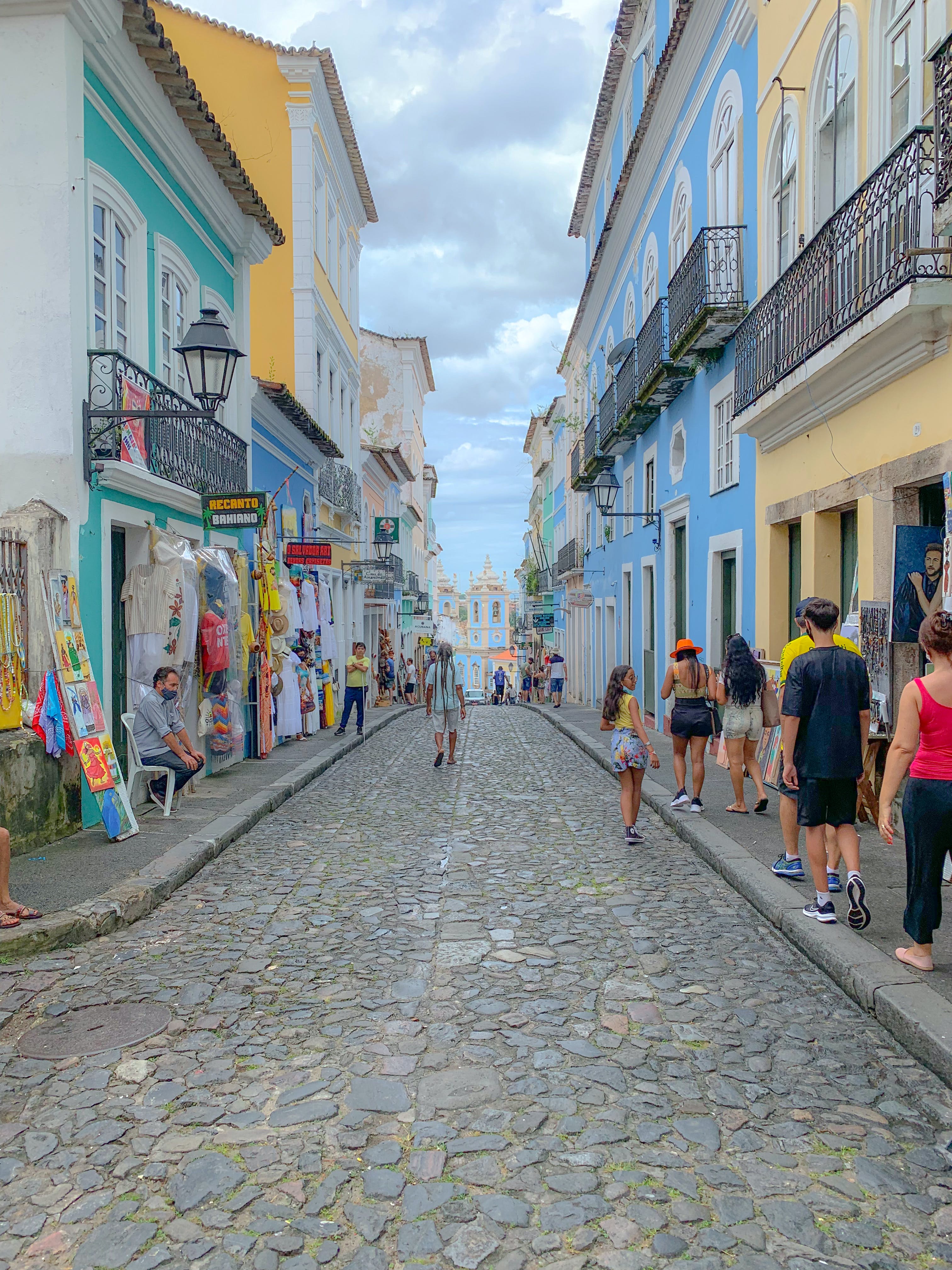
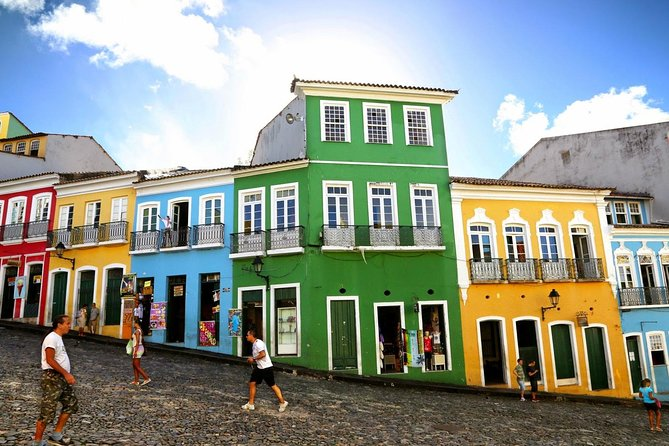
Brazil's historic highlights are spread across the country. Salvador, Ouro Preto, Olinda, and Sao Luis each preserve different chapters of Portuguese colonial history, religion, trade, and urban development.
These places matter not only for their buildings but for the living traditions around them, including music, processions, crafts, and regional celebrations that remain part of daily life.
Brazilian Food by Region
Food is one of the clearest ways to understand Brazil's regions. In Bahia, visitors encounter dishes such as acaraje and moqueca; in Minas Gerais, cheese bread and slow-cooked home cooking are central; in the Amazon, menus often feature local fish and fruits; and in the South, churrasco remains a strong tradition.
For travellers, this means that changing cities often means changing ingredients, techniques, and dining customs as well.
Community-Based and Responsible Travel
Responsible travel in Brazil often means choosing local guides, respecting protected areas, and spending with independent businesses that keep tourism income within the destination.
Community-led stays, cultural workshops, and wildlife trips with trained guides can create a better visitor experience while supporting conservation and local livelihoods.

Jack Vanselton